


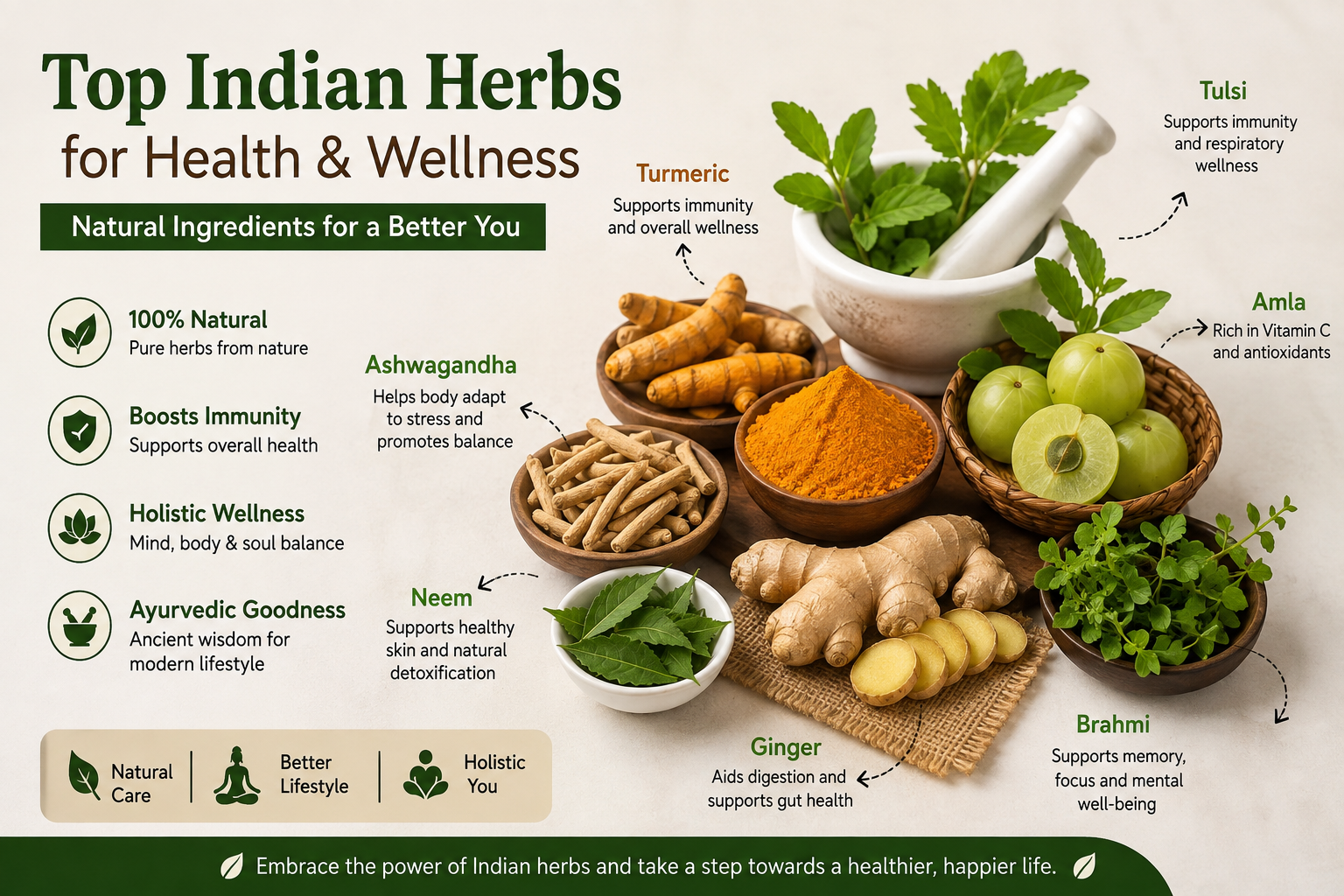
In a world where people are becoming more conscious about what they eat and use every day, natural wellness is gaining attention. Indian herbs have been part of traditional Indian lifestyles for centuries and are valued for their distinctive properties, versatility, and connection to natural care. From turmeric and tulsi to ashwagandha and amla, many herbs are commonly used in food, traditional preparations, teas, oils, and other herbal products.
Indian herbs are not simply ingredients found in traditional kitchens. They can be an important part of a balanced lifestyle when used appropriately alongside nutritious food, regular physical activity, adequate sleep, and good daily habits. This guide explores some popular Indian herbs, their traditional uses, potential benefits, and simple ways to include them in everyday health & wellness routines.
What Are Indian Herbs?
Indian herbs are plants, leaves, roots, fruits, seeds, and other botanical ingredients traditionally used in Indian wellness practices. Many have been used for generations in household remedies, cooking, personal care, and traditional systems such as Ayurveda.
Today, these ingredients are available in many forms, including powders, teas, capsules, oils, extracts, and ready-to-use herbal products. However, the quality and concentration of products can vary, so choosing reliable products and following recommended usage is important.
1. Turmeric – A Popular Spice for Everyday Wellness
Turmeric is one of the most recognizable Indian herbs and spices. Its bright yellow color comes mainly from curcuminoids, including curcumin.
Traditionally, turmeric has been valued for its antioxidant and soothing properties. It is commonly included in Indian cooking and is also found in wellness drinks, supplements, face masks, and skincare preparations.
Common Uses of Turmeric
- Added to curries, soups, and vegetables
- Used in traditional turmeric milk preparations
- Included in skincare products
- Available as powder, capsules, and extracts
Adding turmeric to a balanced diet can be an easy way to enjoy this traditional ingredient.
2. Tulsi – The Traditional Wellness Herb
Tulsi, also known as holy basil, has a long history in Indian households. Its leaves are commonly prepared as tea or incorporated into traditional wellness practices.
Tulsi is traditionally associated with everyday wellness and is appreciated for its refreshing aroma and plant-based compounds. Tulsi tea is particularly popular among people looking for a comforting herbal beverage.
How Tulsi Is Commonly Used
Tulsi leaves can be used to prepare herbal tea, added to traditional drinks, or found in different herbal products. Many people enjoy tulsi as part of their daily self-care routine.
3. Ashwagandha – Traditionally Used for Balance
Ashwagandha is another well-known herb associated with Ayurvedic traditions. It is commonly described as an adaptogenic herb and has traditionally been used to support relaxation, vitality, and overall balance.
Today, ashwagandha is available in powders, capsules, extracts, and other wellness products.
People often include it in routines focused on stress management, daily wellness, energy, and relaxation. If using concentrated supplements, it is important to follow the product directions and seek professional advice when appropriate.
4. Amla – A Natural Source of Nutrients
Amla, or Indian gooseberry, is widely recognized for its nutritional value and naturally occurring vitamin C. It has traditionally been used in Indian diets and wellness practices.
Amla can be consumed fresh, dried, powdered, or incorporated into juices and other preparations. It is also a popular ingredient in hair oils and traditional hair-care products.
Potential Wellness Benefits of Amla
Amla is commonly associated with:
- Antioxidant support
- Nutritional wellness
- Traditional digestive care
- Hair and scalp care
- Everyday vitality
Including nutrient-rich foods such as amla as part of a varied diet can contribute to overall health & wellness.
5. Neem – Traditional Skin and Personal Care
Neem has been used traditionally in India for personal care and household wellness. Neem leaves and extracts are common ingredients in soaps, shampoos, face washes, oils, and other herbal products.
Neem is particularly popular in traditional skincare routines. Its use in personal care reflects the long-standing connection between Indian herbs and natural beauty practices.
Because concentrated neem preparations can differ significantly from traditional household use, product instructions should always be followed.
6. Ginger – A Kitchen Herb With Wellness Value
Ginger is both a popular culinary ingredient and a traditional wellness herb. Its warm, spicy flavor makes it a common addition to tea, soups, curries, and homemade beverages.
Ginger is traditionally used for digestive comfort and is often enjoyed as ginger tea. It also contains naturally occurring plant compounds that contribute to its distinctive flavor and aroma.
A simple cup of warm ginger tea can be a comforting addition to a daily wellness routine.
7. Brahmi – Traditionally Associated With Mental Wellness
Brahmi is another herb commonly associated with traditional Indian wellness practices. It has historically been used in preparations focused on memory, concentration, calmness, and mental balance.
Today, brahmi can be found in powders, capsules, herbal blends, and hair-care products.
For people interested in natural wellness, herbs such as brahmi may complement healthy habits such as adequate sleep, regular breaks from screens, exercise, and a balanced diet.
Benefits of Including Indian Herbs in Your Lifestyle
One of the biggest advantages of Indian herbs is their versatility. They can be incorporated into different parts of daily life rather than being limited to one type of product.
Some commonly appreciated benefits include:
Supports a Natural Wellness Routine
Herbs provide plant-based ingredients that can complement a balanced lifestyle.
They can be used in foods, teas, personal-care products, and traditional preparations.
Adds Variety to Everyday Nutrition
Ingredients such as turmeric, ginger, and amla can add flavor and nutritional variety to meals and beverages.
Supports Traditional Self-Care
Neem, amla, tulsi, and other herbs have long been used in Indian personal-care and wellness traditions.
Convenient Herbal Products
Modern herbal products make traditional ingredients available in convenient forms such as powders, capsules, teas, oils, and extracts.
Encourages Mindful Living
Using natural ingredients can encourage people to pay greater attention to their diet, personal care, daily routines, and overall well-being.
How to Choose Quality Herbal Products
Not every herbal product is the same. Before buying, consider the ingredient list, manufacturer information, usage instructions, packaging, and storage recommendations.
Look for products from trustworthy sources and avoid products that make unrealistic promises such as guaranteeing cures or immediate results. Natural does not automatically mean risk-free, particularly when herbs are highly concentrated.
If you are pregnant, breastfeeding, taking medication, managing a health condition, or considering herbal supplements for a child, speak with a qualified healthcare professional before use.
How to Add Indian Herbs to Your Daily Routine
You do not need to completely change your lifestyle to enjoy Indian herbs. Start with familiar ingredients.
Try adding turmeric or ginger to meals, enjoying tulsi tea, including amla as part of your diet, or choosing suitable herbal personal-care products. The key is consistency, moderation, and choosing products appropriate for your needs.
It is also important to remember that herbs work best as part of a broader approach to health & wellness. A nutritious diet, hydration, physical activity, quality sleep, and stress-management practices remain essential components of healthy living.
Final Thoughts
Indian herbs offer a fascinating combination of traditional knowledge, natural ingredients, and everyday versatility. From turmeric and tulsi to amla, ginger, neem, ashwagandha, and brahmi, these herbs have become popular ingredients in modern wellness routines while maintaining their connection to Indian traditions.
Whether you prefer herbs in your meals, teas, personal-care routines, or carefully selected herbal products, natural ingredients can be a meaningful part of everyday self-care. Choose quality products, use herbs responsibly, and focus on a balanced lifestyle for sustainable health & wellness.
This article is intended for general educational purposes and does not replace professional medical advice. Herbal ingredients may affect individuals differently, and concentrated supplements should be used according to appropriate guidance.
Recommended for you
View all stories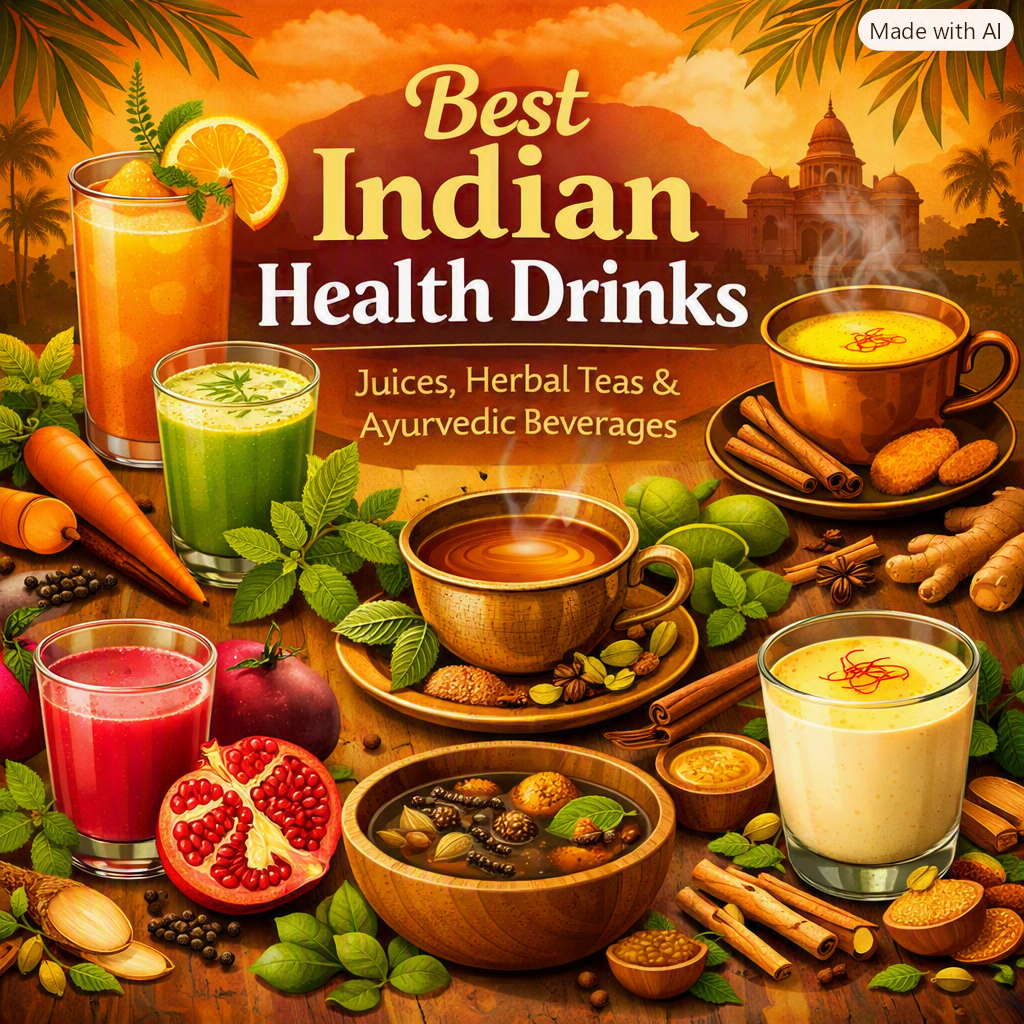
Best Indian Health Drinks: Juices, Herbal Teas & Ayurvedic Beverages
This post explores the best Indian health drinks, including fresh juices, Herbal Tea, and Ayurvedic beverages. It highlights the benefits of traditional ingredients like tulsi, amla, ginger, turmeric, and fennel. The blog also explains how these drinks can support hydration, nutrition, and everyday wellness. Readers will also learn how to choose healthy drinks with quality ingredients and less added sugar.

Best Indian Ethnic Footwear for Weddings, Festivals & Everyday Wear
This post explores the best Indian ethnic footwear for weddings, festivals, and everyday wear. It covers popular styles such as Mojari footwear and traditional Indian footwear, along with tips for choosing the right pair based on comfort, occasion, outfit, and personal style. The guide also highlights how ethnic footwear can add a stylish and authentic touch to both traditional and modern Indian looks.

How to Style Indian Fashion Jewellery for Everyday and Festive Looks
This post explains how to style Indian Fashion Jewellery for both everyday and festive occasions. It covers jewellery choices such as earrings, necklaces, bangles, rings, and traditional accessories, along with tips for matching them with different outfits. The post also highlights the benefits of fashion jewellery, Indo-western styling ideas, and simple jewellery care tips.